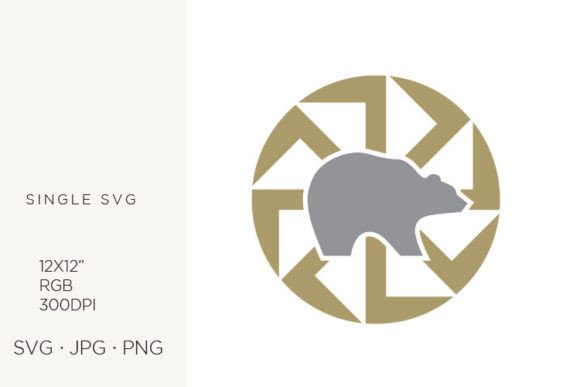
Bear with Slavic Sun Symbol: Editorial Icons & Graphics
As a blog designer and digital publisher who’s shipped over 300 content sites — from affiliate travel blogs to educator-facing resource hubs — I vet hundreds of graphic design assets each year. When Bear with Slavic Sun Symbol landed in my creative marketplace feed, I paused. Not because it’s flashy, but because it carries quiet editorial weight: earthy yet symbolic, hand-drawn but precise, culturally resonant without being clichéd. It’s not just another icon — it’s a visual anchor for storytelling with intention.
A First Impression That Builds Reader Trust
The moment you open the file, you feel its editorial mood: grounded, warm, slightly mystical — ideal for lifestyle blogs, nature educators, folk-art entrepreneurs, or small business branding rooted in heritage, wellness, or slow living. It doesn’t scream “trendy.” Instead, it whispers authenticity. That matters. Readers scroll past generic vectors in under two seconds; they linger on visuals that signal care, craft, and coherence. Bear with Slavic Sun Symbol delivers that — especially when used as a focal point in blog graphics or newsletter headers where emotional resonance drives engagement.
Where This Graphic Design Asset Earns Its Keep
You’ll reach for Bear with Slavic Sun Symbol most often in these real publishing scenarios:
- Blog featured images — layered over textured backgrounds or soft gradients to create instant visual hierarchy and category recognition (e.g., “Seasonal Rituals” or “Slavic Folklore Explained”)
- Pinterest pins — scaled cleanly at 1000×1500px, it holds attention even in crowded feeds thanks to strong silhouette and symbolic contrast
- Digital guides & lead magnets — placed subtly on cover pages or section dividers to reinforce theme without overwhelming text
- Newsletter banners — cropped tightly and paired with bold sans-serif headlines for scannable, trustworthy first impressions
- Downloadable printables — works beautifully in printable design for journals, affirmation cards, or seasonal planners where tactile warmth elevates perceived value
- Canva templates — imported as a PNG with transparent background, it adapts seamlessly across social media graphics, eBook covers, and media kit visuals
Why It Strengthens Content Performance
This isn’t decorative fluff — it’s functional design. Used thoughtfully, Bear with Slavic Sun Symbol improves measurable outcomes:
- Stronger first impression: Replaces generic stock imagery with distinctive visual identity — critical for new visitors forming split-second judgments
- Better click-through potential: On Pinterest or email previews, its symbolic clarity outperforms abstract icons in niche audiences seeking cultural depth
- Improved reader trust: Signals that your content is curated, not automated — especially powerful for educational or spiritual niches
- More consistent branding: Serves as a unifying motif across blog graphics, social media posts, and digital product covers
- Stronger visual hierarchy: Its balanced composition naturally draws the eye — useful for guiding attention toward CTAs or key takeaways
Best Places to Deploy It (and Where to Pause)
Bear with Slavic Sun Symbol shines brightest in:
- Hero images and website header accents
- Article thumbnails and category visuals
- Pinterest pins and social media previews
- Editorial accents — think section breaks in long-form guides or subtle watermarks on worksheets
- Content upgrades like printable calendars, affirmation cards, or ritual checklists
Use it carefully — or reconsider entirely — in:
- Small mobile thumbnails where fine sun-ray details blur or vanish
- Text-heavy blog images where visual competition dilutes message clarity
- Low-contrast backgrounds (e.g., light gray on off-white) that mute its presence
- Bright, busy layouts where it risks visual clutter instead of cohesion
- Serious professional niches (e.g., legal, fintech, enterprise SaaS) where symbolism may distract from authority
Publisher Notes You Can’t Skip
Before dropping Bear with Slavic Sun Symbol into production, run these checks:
- Preview it inside a real blog layout — does it align with your headline font, spacing, and color palette?
- Test it beside serif, sans serif, script, and handwritten fonts — observe how it balances tone and legibility
- Check contrast against your most common background colors — especially for accessibility compliance
- Try a black-and-white version — does it retain symbolic impact without color cues?
- Verify file size — optimize PNGs for web performance without sacrificing edge clarity
- Confirm commercial license terms — essential for monetized websites, affiliate marketing visuals, or paid digital downloads
Real Use Cases Beyond the Obvious
Yes, you can use this digital graphics element to create logo design, wall art, handmade craft items, printed paper goods, stationery, invitations, announcements, and party decor — but as a digital publisher, I’ve found deeper utility in subtler applications: a watermark on a free digital guide, a recurring motif in a seasonal content series, a brand-aligned visual cue in an email sequence, or a thematic thread across a set of Canva templates sold to fellow creators. It’s flexible enough for crafters yet refined enough for editorial design — a rare dual strength.
Final Thought: Design Assets Are Editorial Decisions
In content marketing, every visual choice is a voice. Bear with Slavic Sun Symbol doesn’t shout — it invites. It supports narratives about connection, tradition, resilience, and quiet celebration. When aligned with your voice and audience, it becomes more than an icon or graphics element. It becomes part of your brand identity — a small, meaningful signal that your content is made with attention, respect, and creative intention. That’s not just good design. It’s good publishing.